
Sources for Former Summit County Owners
Former-owner work in Summit County draws on several layers. The current Recorder index covers one era. Older image repositories, recorded plats and local history collections each cover a different one. The county publishes no single year cutoff for its online indexes. It does identify a pre-1965 cabinet and a pre-1993 image gap. So the routes described here reflect documented access rather than a promise that every book is online.
| Source | Years It Covers | Where Held | What It Shows |
|---|---|---|---|
| Tyler EagleWeb index | Current index; no single start year published | Recorder Document Search | Party, date, type and document references |
| Pre-1993 image route | Some documents before 1993 | SIRE / Recorder Documents | Images not converted into Tyler |
| Pre-1965 material | Older deed-book era | OnBase pre-1965 cabinet or Recorder counter | Earlier instruments and book references |
| Recorded plats and surveys | Recorded subdivision and parcel changes | Recorder / Surveyor | Parent tract, lots, easements and legal descriptions |
| Local newspapers | Park Record 1880-2018; Coalville Times 1894-1912 | Summit County Library | Names, sale notices, probate and address clues |
Begin with the newest deed in EagleWeb. If its image is missing, try the SIRE search tab or Recorder Documents instead. Pre-1965 items usually require the OnBase cabinet or help from Recorder staff. A plat settles any question about a lot split. Newspapers and directories serve as leads. They still need confirmation against the land record itself.
Summit County's Older Deed Images Cross Systems
Older deed images live in more than one system. The Recorder FAQ warns that documents before 1993 may show "no images" in Tyler EagleWeb. Those files were never converted. For those, the county points users to the SIRE search tab and Recorder Documents. Anything before 1965 routes to the OnBase pre-1965 cabinet. The county itself notes an early online locator, entry 100908 at book M1, page 1. That single reference does not define each index's full coverage. Before switching systems, record the parties and the recording date. Capture the entry number, book and page, and the full legal description. The EagleWeb help page explains the available search modes and the book/page format.
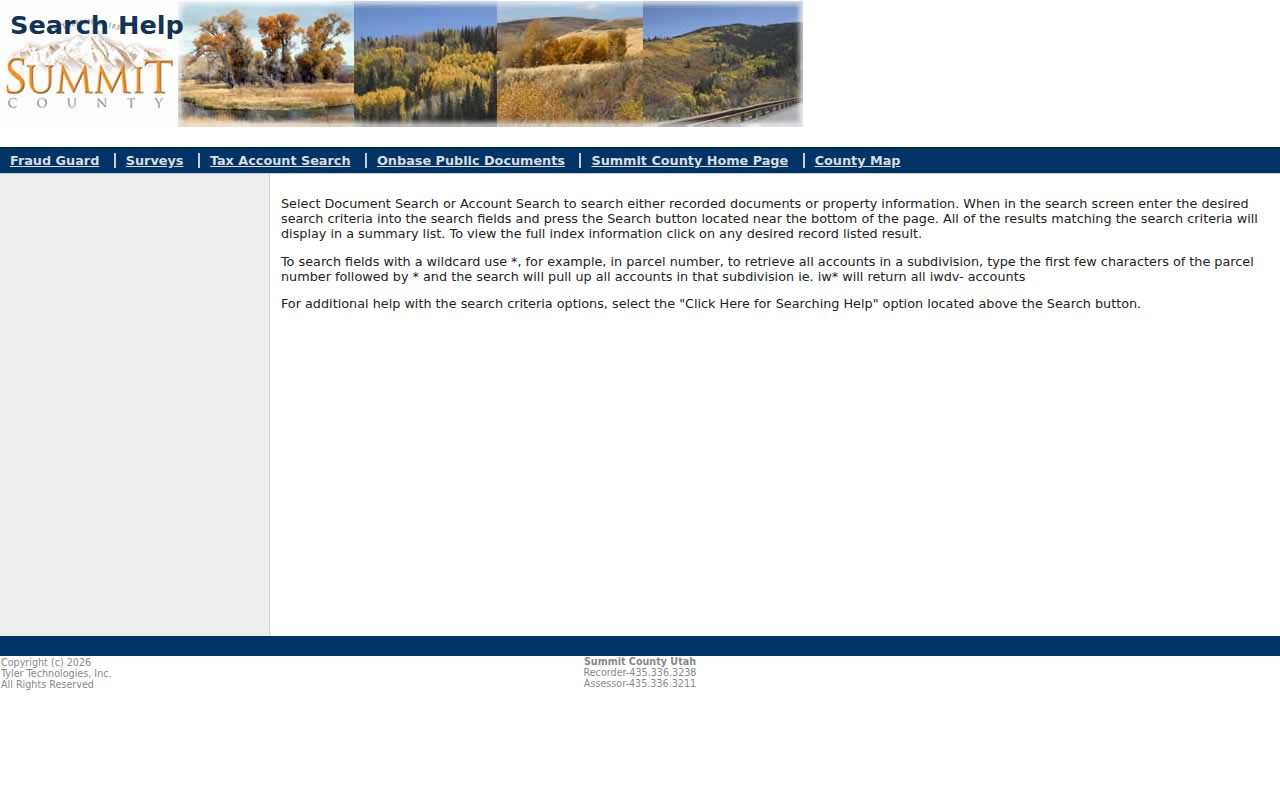
Search instructions can resolve a format mismatch. Older images may still need the separate archive or a direct Recorder request.
Search Former Summit County Owners by Variants
A backward chain often stalls on names. The same party can appear under initials, a spelling variant, a married name, an entity successor or a trustee title. Try the exact spelling from the instrument first. Then test a short variant. Keep names paired with parcel references, since a common surname alone can point to an unrelated tract. Book and page beats a remembered address every time. The county FAQ's book/page pattern uses four digits, a dash and four digits, such as 0400-0050. When street numbering or subdivision labels have changed, search by the legal description instead.
Walk the Summit County Deed Chain Backward
Each deed hands you the next name to search. Start with the current grantee. Follow each earlier grantor backward, confirming the legal description still describes the same parcel at every step. Because a plat can split a parent tract into lots, the chain may include a parent description from before any subdivision lot existed.
- Find the newest deed with the present owner as grantee and confirm its parcel description.
- Write down the grantor, entry or book/page, date and deed type.
- Search the grantor as an earlier grantee, then check the next legal description and parcel cross-reference.
- Repeat until the index image boundary requires SIRE, OnBase or a Recorder request.
- Grantor
- The party conveying an interest in a recorded instrument.
- Grantee
- The party receiving the interest described in that instrument.
- Chain of title
- The ordered series of recorded conveyances tied to one tract.
- Legal description
- The land identity, such as lot/block or metes-and-bounds, that anchors older deeds.
Plats Explain a Summit County Parcel Split
A recorded subdivision can turn one parent tract into lots, roads and common areas. A deed recorded before the plat may cite acreage or section references. A later deed may use a named phase and lot number instead. Compare the old description with the final recorded plat. Compare it with the later Assessor account rather than assuming the modern street address existed through the whole chain. Coalville's Red Hill Phase 2 staff material names source parcel CT-482-F. It includes a survey description and recording block. The draft states it is for review and leaves the recording section blank. It is not the final legal map. The recorded Recorder copy controls the parcel layout.
Probate Records Explain Representative Deeds
A personal-representative deed lists an estate fiduciary as the grantor. The Utah Courts Xchange summary can point to the probate case. It also covers the letters of appointment and the public orders that establish that person's authority. Certified copies and older files sit at the courthouse. A death certificate never substitutes for a deed. Utah vital records require a direct, tangible and legitimate interest before inspection or a certified copy. The Utah Vital Records ordering page states the official route for eligible requests.
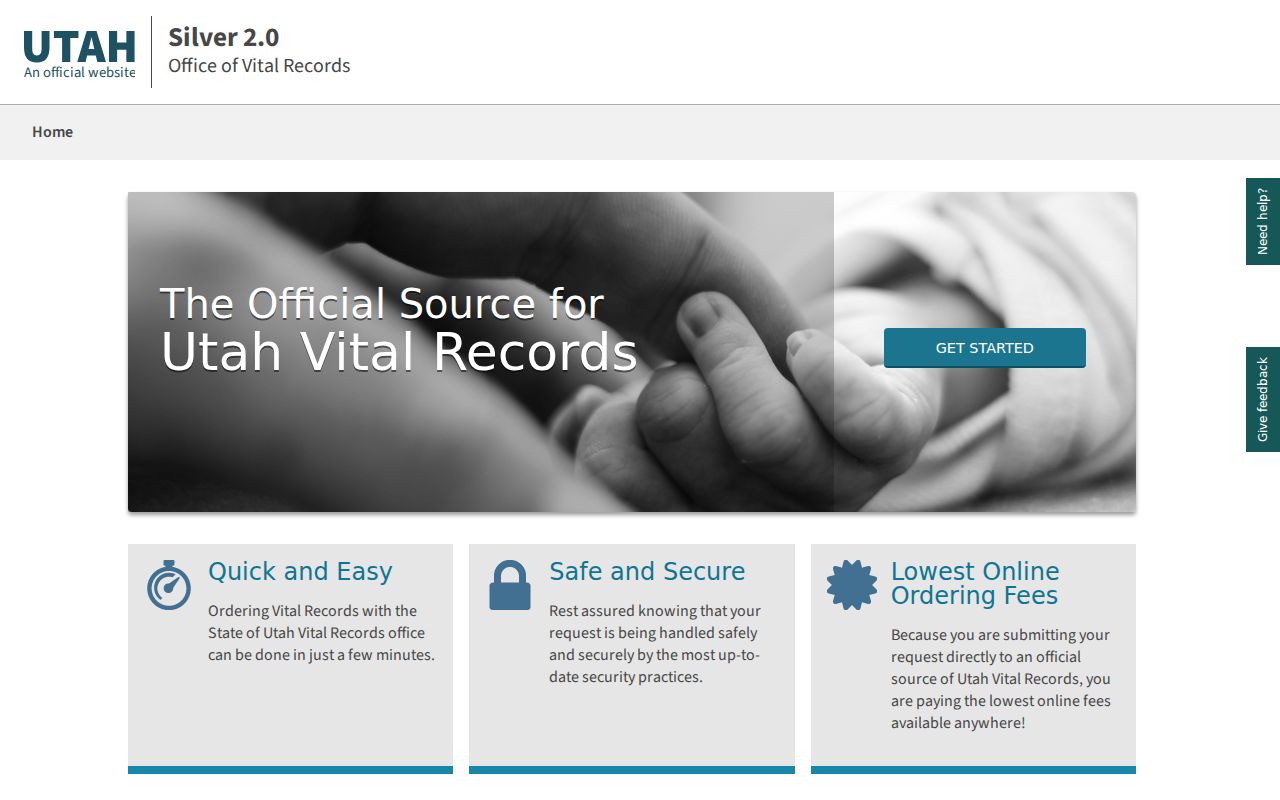
Court authority plus the recorded conveyance establishes the property trail. Certificate access follows its own separate eligibility rule.
Summit County Newspapers Add House-History Clues
The Summit County Library's digitized runs include the Park Record from 1880 to 2018 and the Coalville Times from 1894 to 1912. A notice can reveal a sale or an estate. It can also point to a subdivision, a road name or an owner. Search by names and date ranges. Street terms and development labels help too. Then use the hit to locate the underlying deed or plat. A newspaper notice is a clue, not proof of a conveyance. The library database page lists local newspaper and research tools.
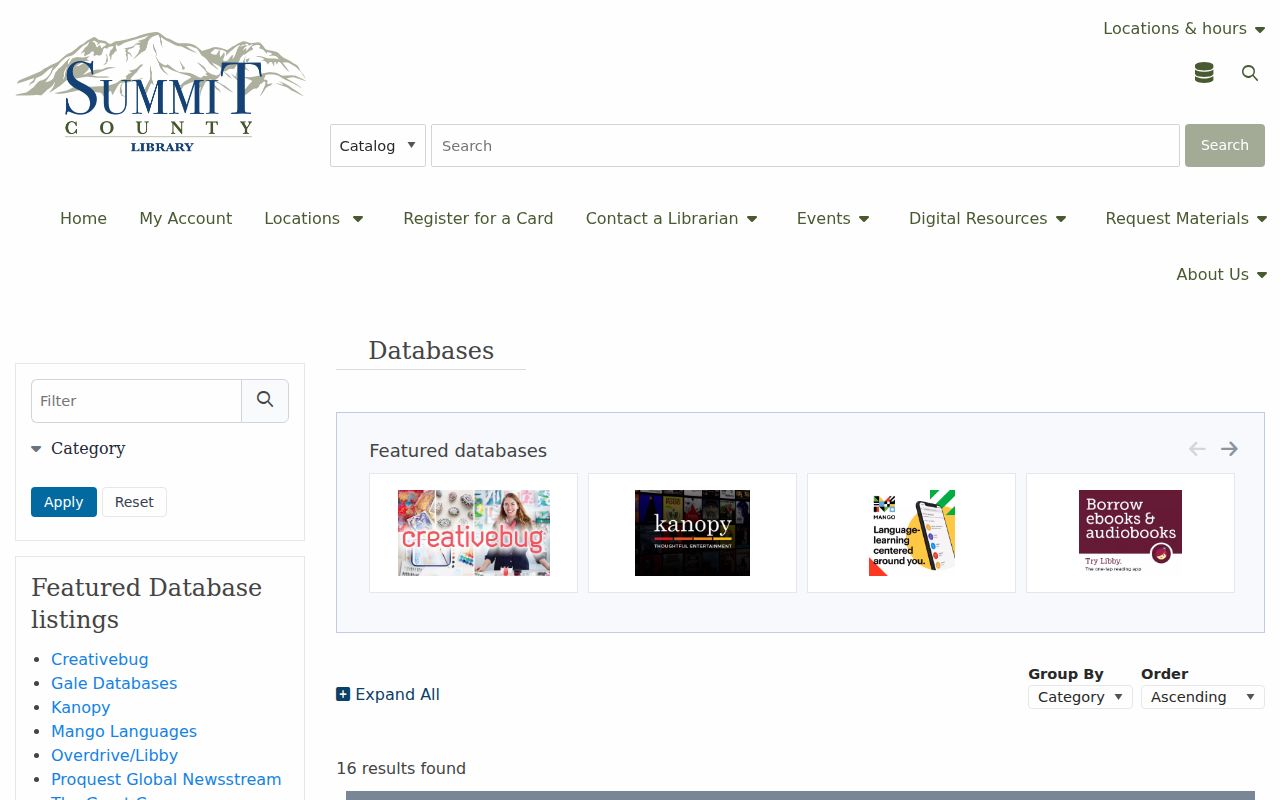
Some licensed products require a library login or in-library use. Ask the library about access when an item is not open on the web.
How Far Back Summit County Ownership Records Reach
The county states no single start year for its searchable online index. It identifies an early locator at entry 100908, book M1, page 1. Pre-1965 records route to the OnBase cabinet. A pre-1993 image conversion gap affects Tyler. Summit County's ownership history is a transition across paper books, SIRE, OnBase and EagleWeb. It is not one simple digital cutoff.
Research responsibly. Use former-owner records for house history, property diligence and a documented land chain. Never use a name or address trail to follow, threaten or harass a living person.